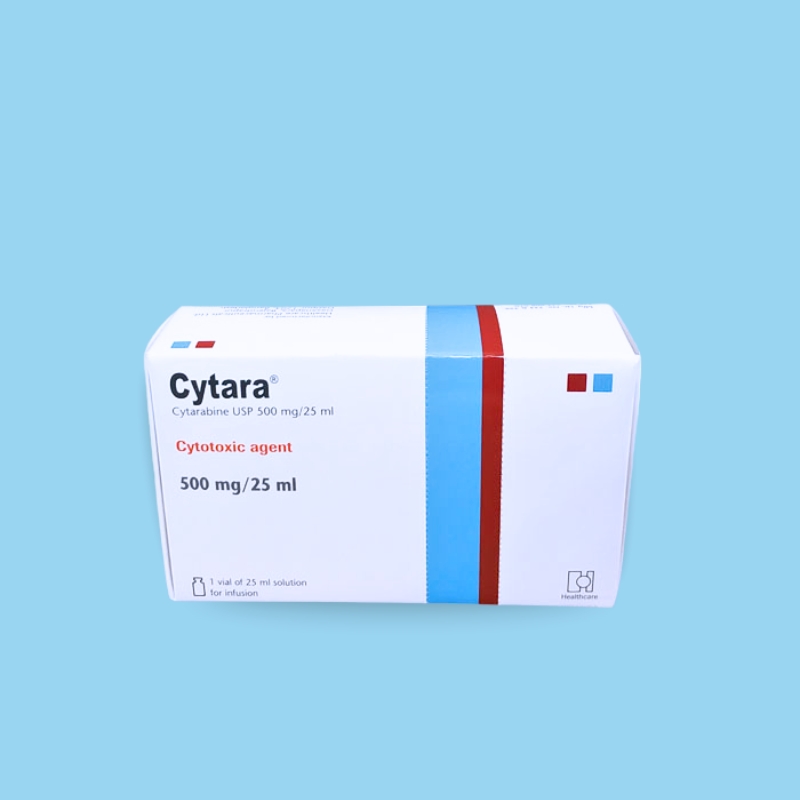
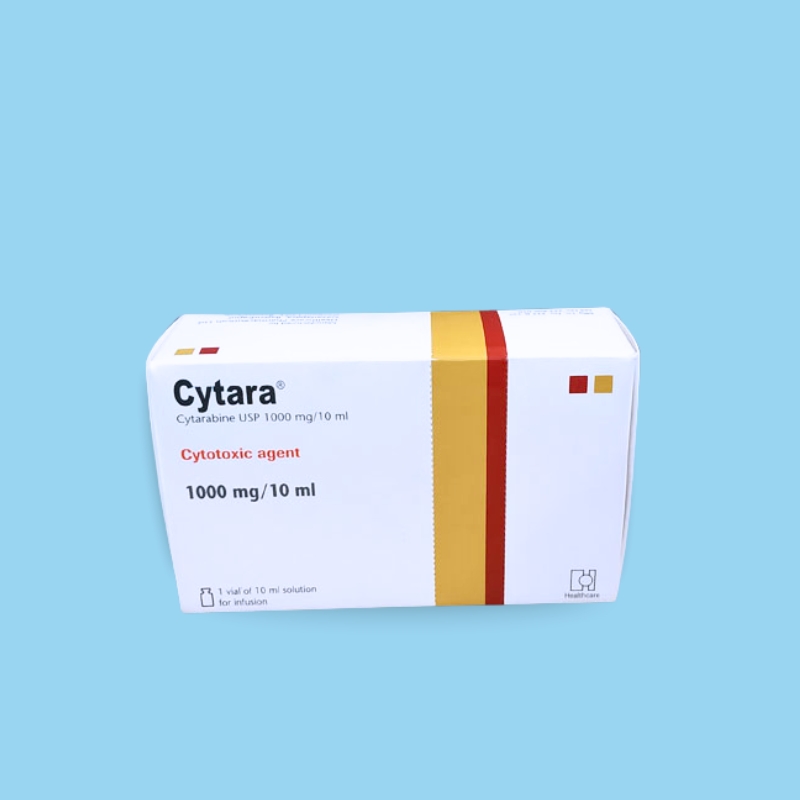
Cytarabine Injection in combination with other approved
anti-cancer drugs is indicated for remission induction in acute non-lymphocytic
leukemia of adults and pediatric patients. It has also been found useful in the
treatment of acute lymphocytic leukemia and the blast phase of chronic myelocytic
leukemia. Intrathecal administration of Cytarabine Injection (preservative-free
preparations only) is indicated in the prophylaxis and treatment of meningeal
leukemia.
Reversible decreases in steady-state plasma digoxin
concentrations and renal glycoside excretion were observed in patients
receiving beta-acetyldigoxin and chemotherapy regimens containing
cyclophosphamide, vincristine, and prednisone with or without cytarabine or
procarbazine.
Cytarabine Injection is not active orally. The schedule and
method of administration vary with the program of therapy to be used.
Cytarabine Injection may be given by intravenous infusion or injection,
subcutaneously, or intrathecally (preservative-free preparation only).
In the induction therapy of acute non-lymphocytic leukemia,
the usual cytarabine dose in combination with other anticancer drugs is 100
mg/m²/day by continuous IV infusion (1 to 7 days) or 100 mg/m² IV every 12
hours (1 to 7 days). The literature should be consulted for the current
recommendations for use in acute lymphocytic leukemia.
Intrathecal use in meningeal leukemia: Cytarabine Injection
has been used intrathecally in acute leukemia in doses ranging from 5 mg/m² to
75 mg/m² of body surface area.
Cytarabine Injection is contraindicated in patients who are
hypersensitive to the drug.
Common: Anorexia, oral and anal inflammation, nausea or
ulceration, thrombophlebitis, vomiting, hepatic dysfunction, bleeding (all
sites), diarrhea, fever.
Rare: Sepsis, sore throat, conjunctivitis, pneumonia,
alopecia, urinary retention, allergic edema.
Pregnancy: Teratogenic effects. Pregnancy Category D.
Nursing mothers: It is not known whether this drug is
excreted in human milk.
Use in children & adolescents: See indications and
usage.
Cytarabine is a potent bone marrow suppressant. Therapy
should be started cautiously in patients with pre-existing drug-induced bone
marrow suppression. Patients receiving cytarabine must be monitored closely.
Frequent platelet and leucocyte counts and bone marrow examinations are
mandatory.
There is no antidote for overdosage of cytarabine.
Store at a temperature not exceeding 30°C in a dry place.
Protect from light.