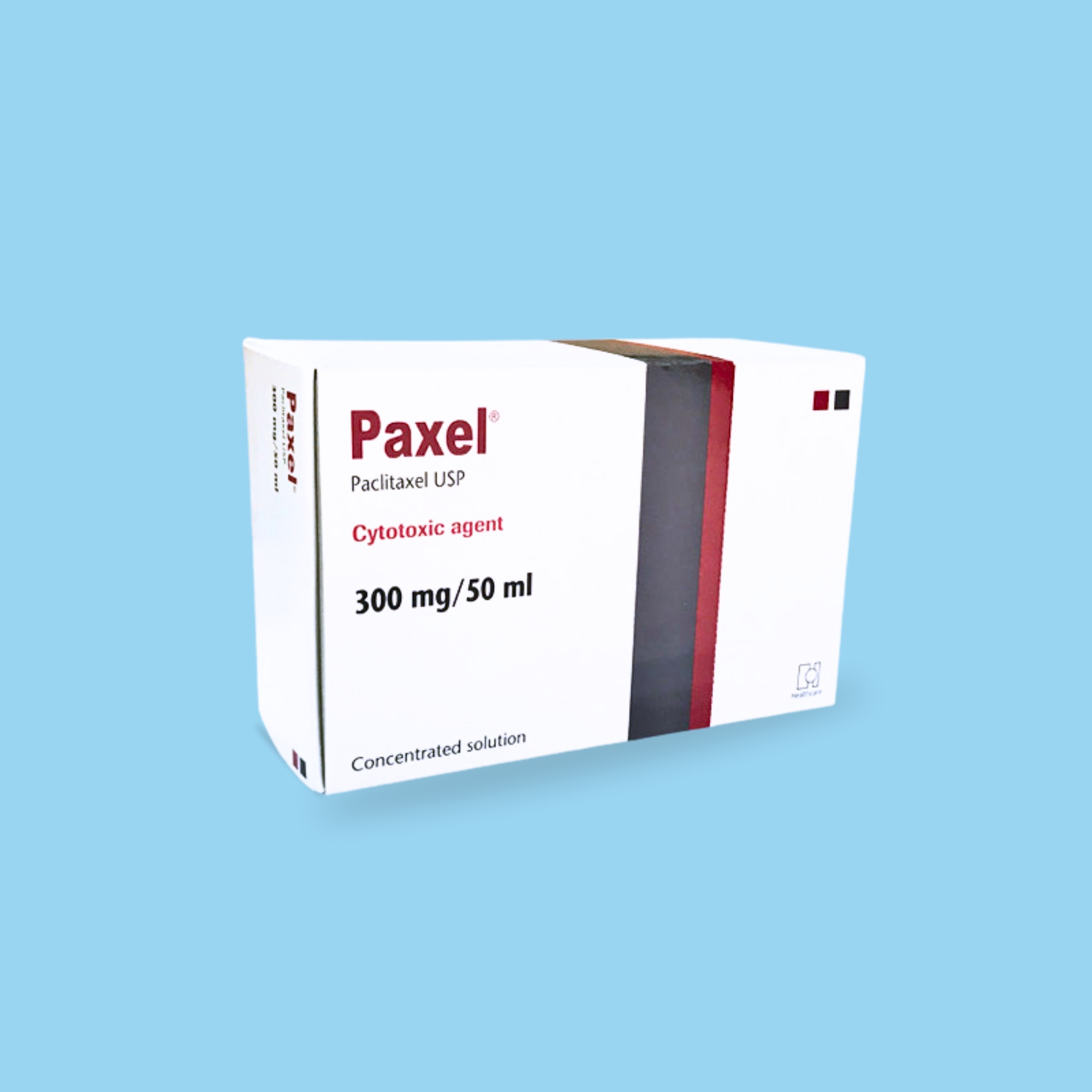
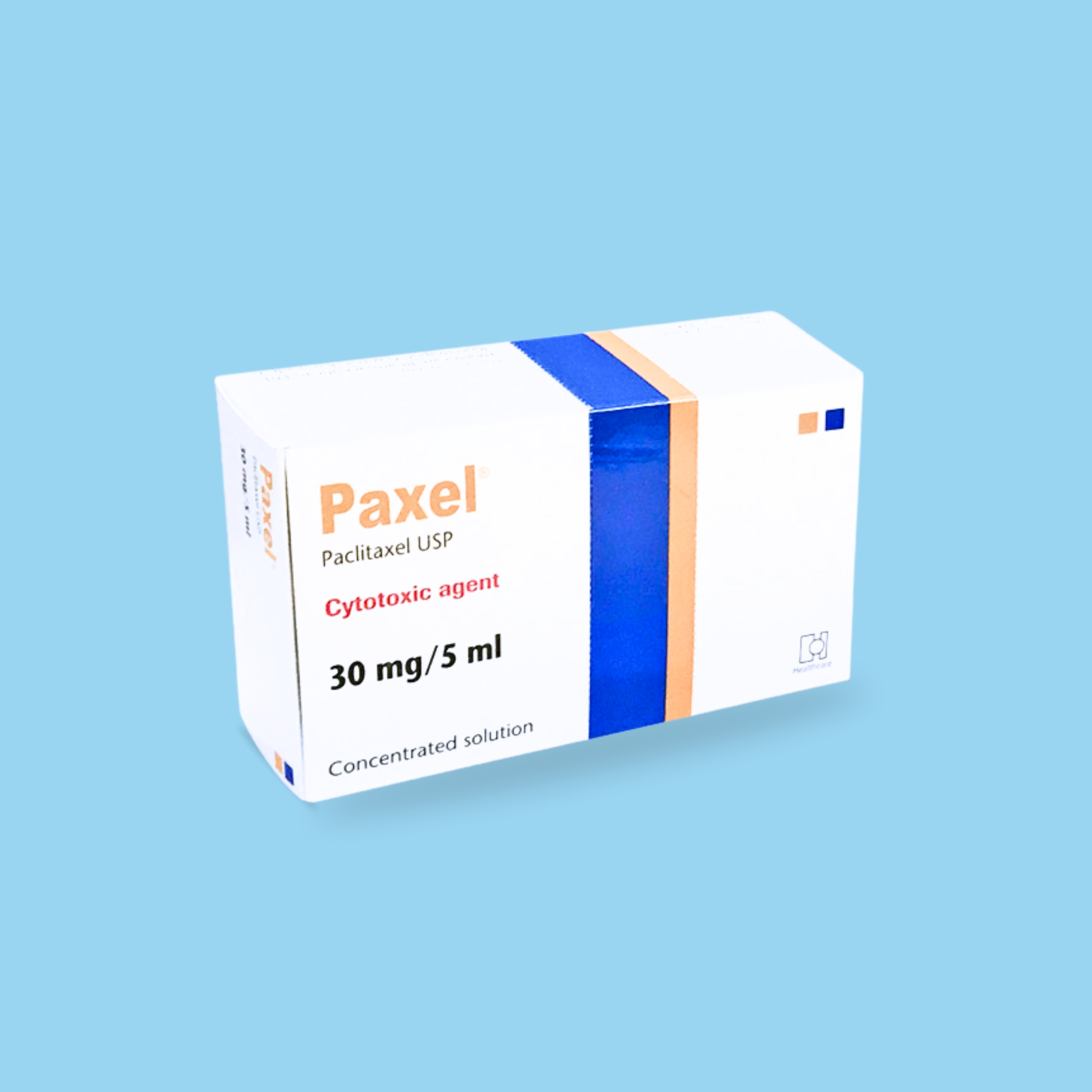
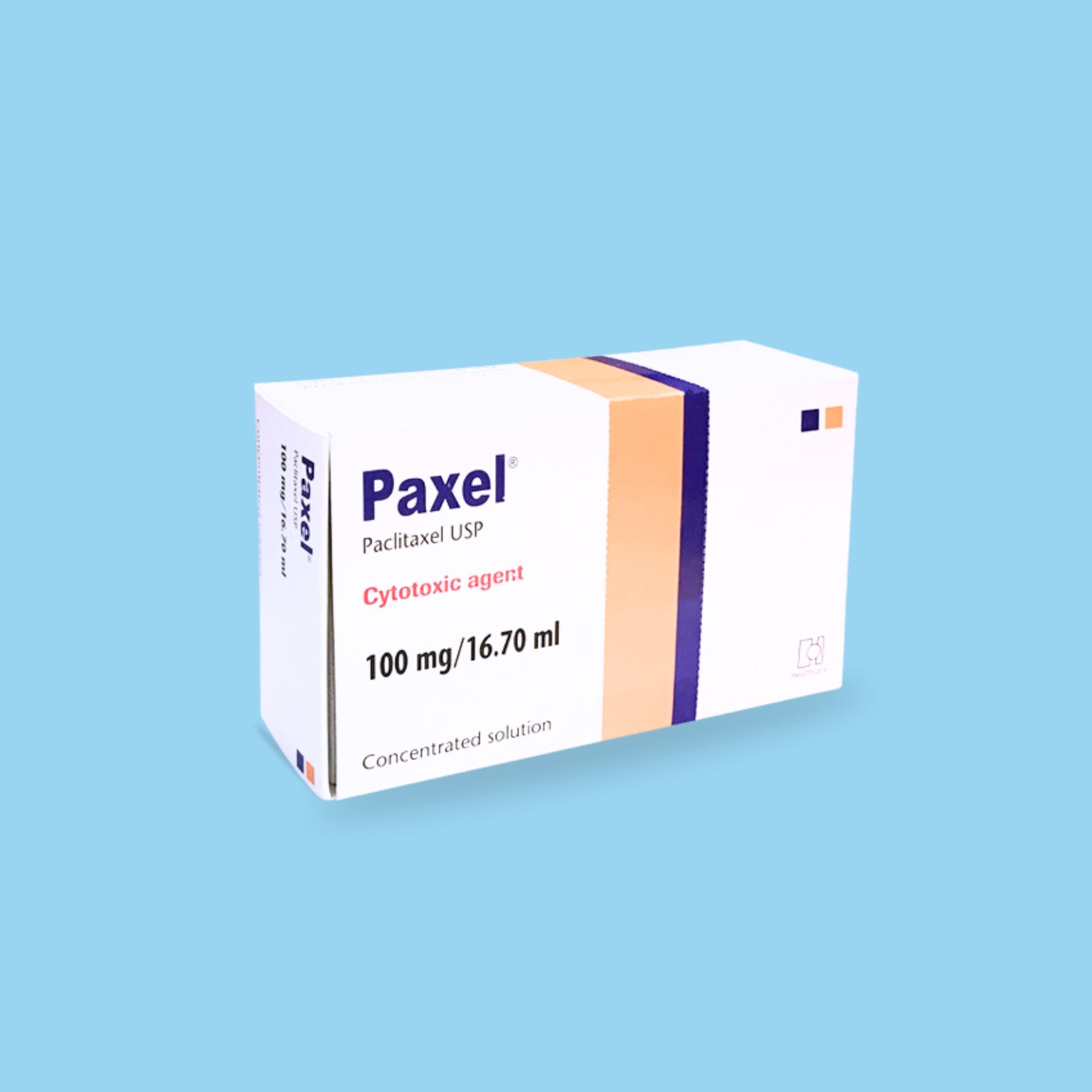
Ovarian Carcinoma: Paclitaxel is indicated as first-line and
subsequent therapy for the treatment of advanced carcinoma of the ovary. As first-line
therapy, Paclitaxel is indicated in combination with cisplatin. Breast
Carcinoma: Paclitaxel is indicated for the adjuvant treatment of node-positive
breast cancer administered sequentially to standard doxorubicin-containing
combination chemotherapy. Paclitaxel is indicated for the treatment of breast
cancer after failure of combination chemotherapy for metastatic disease or
relapse within 6 months of adjuvant chemotherapy. Prior therapy should have
included an anthracycline unless clinically contraindicated. Paclitaxel is
indicated for the first-line therapy of advanced or metastatic breast cancer
either in combination with an anthracycline in patients for whom anthracycline
therapy is suitable or in combination with trastuzumab in patients who over-express
HER2 at a 2+ or 3+ level as determined by immunohistochemistry. Gemcitabine, in
combination with Paclitaxel, is indicated in the treatment of patients with
unresectable, locally recurrent or metastatic breast cancer who have relapsed
following adjuvant/neoadjuvant chemotherapy. Prior chemotherapy should have
included an anthracycline unless clinically contraindicated. Paclitaxel is
indicated for the treatment of metastatic cancer of the breast, in combination
with trastuzumab, in patients who have tumors that over-express HER2 and who
have not received previous chemotherapy for their metastatic disease. Non-Small
Cell Lung Carcinoma: Paclitaxel, in combination with cisplatin, is indicated
for the first-line treatment of non-small cell lung cancer in patients who are
not candidates for potential curative surgery and/or radiation therapy.
Kaposi’s Sarcoma: Paclitaxel is indicated for the second-line treatment of
AIDS-related Kaposi’s Sarcoma. Gastric Carcinoma: Paclitaxel is indicated for
the treatment of gastric carcinoma.
Paclitaxel clearance is not affected by cimetidine
premedication. Cisplatin: Administration of Paclitaxel after cisplatin
treatment leads to greater myelosuppression and about a 20% decrease in
Paclitaxel clearance. Patients treated with Paclitaxel and cisplatin may have
an increased risk of renal failure as compared to cisplatin alone in
gynecological cancers. Doxorubicin: Since the elimination of doxorubicin and
its active metabolites can be reduced when Paclitaxel and doxorubicin are given
closer in time, Paclitaxel for initial treatment of metastatic breast cancer
should be administered 24 hours after doxorubicin. Sequence effects
characterized by more profound neutropenic and stomatitis episodes have been
observed with combination use of Paclitaxel and doxorubicin when Paclitaxel was
administered before doxorubicin and using longer than recommended infusion
times (Paclitaxel administered over 24 hours; doxorubicin over 48 hours).
Active substances metabolized in the liver: The metabolism of Paclitaxel is
catalyzed, in part, by cytochrome P450 isoenzymes CYP2C8 and CYP3A4. Therefore,
in the absence of a PK drug–drug interaction study, caution should be exercised
when administering Paclitaxel concomitantly with medicines known to inhibit
either CYP2C8 or CYP3A4 (e.g., ketoconazole and other imidazole antifungals,
erythromycin, fluoxetine, gemfibrozil, clopidogrel, cimetidine, ritonavir,
saquinavir, indinavir, and nelfinavir) because toxicity of Paclitaxel may be
increased due to higher Paclitaxel exposure. Administering Paclitaxel
concomitantly with medicines known to induce either CYP2C8 or CYP3A4 (e.g.,
rifampicin, carbamazepine, phenytoin, efavirenz, nevirapine) is not recommended
because efficacy may be compromised because of lower Paclitaxel exposures.
All patients should be premedicated prior to Paclitaxel
administration in order to prevent severe hypersensitivity reactions. Such
premedication may consist of dexamethasone 20 mg orally administered
approximately 12 and 6 hours before Paclitaxel, diphenhydramine (or its
equivalent) 50 mg IV 30 to 60 minutes prior to Paclitaxel, and cimetidine (300
mg) or ranitidine (50 mg) IV 30 to 60 minutes before Paclitaxel. First-line
treatment of ovarian cancer: Although alternative medication regimens for
Paclitaxel are under investigation at present, a combination therapy of
Paclitaxel and cisplatin is recommended. Depending on the duration of infusion,
two different dosages are recommended for Paclitaxel treatment: 175 mg/m² of
Paclitaxel is administered as an intravenous infusion over a period of three
hours followed thereafter by 75 mg/m² of cisplatin and the therapy is repeated
at 3-week intervals, or 135 mg/m² of Paclitaxel is administered as an
intravenous infusion over a period of 24 hours followed thereafter by 75 mg/m²
of cisplatin and the therapy is repeated at 3-week intervals. Second-line
treatment of ovarian cancer: The recommended dose of Paclitaxel is 175 mg/m²
administered over 3 hours, with a 3-week interval between courses. Adjuvant
chemotherapy in breast carcinoma: The recommended dose of Paclitaxel is 175
mg/m² administered over a period of 3 hours every 3 weeks for four courses,
following AC therapy. First-line chemotherapy of breast carcinoma: When used in
combination with doxorubicin (50 mg/m²), Paclitaxel should be administered 24
hours after doxorubicin. The recommended dose of Paclitaxel is 220 mg/m²
administered intravenously over a period of 3 hours, with a 3-week interval
between courses. When used in combination with trastuzumab, the recommended
dose of Paclitaxel is 175 mg/m² administered intravenously over a period of 3
hours, with a 3-week interval between courses. Paclitaxel infusion may be
started the day following the first dose of trastuzumab or immediately after
the subsequent doses of trastuzumab if the preceding dose of trastuzumab was
well tolerated. Second-line chemotherapy of breast carcinoma: The recommended
dose of Paclitaxel is 175 mg/m² administered over a period of 3 hours, with a
3-week interval between courses. Advanced non-small cell lung cancer: The
recommended dose of Paclitaxel is 175 mg/m² administered over 3 hours followed
by 80 mg/m² of cisplatin, with a 3-week interval between courses. Treatment of
AIDS-related Kaposi’s Sarcoma: The recommended dose of Paclitaxel is 100 mg/m²
administered as a 3-hour intravenous infusion every two weeks. Dose adjustment:
Subsequent doses of Paclitaxel should be administered according to individual
patient tolerance. Paclitaxel should not be re-administered until the
neutrophil count is >1.5 × 10⁹/L (>1 × 10⁹/L for KS patients) and the
platelet count is >100 × 10⁹/L (>75 × 10⁹/L for KS patients).
Paclitaxel is contraindicated in patients with severe
hypersensitivity reactions to paclitaxel or macrogolglycerol ricinoleate
(polyoxyl castor oil). Paclitaxel is contraindicated during lactation.
Paclitaxel should not be used in patients with baseline neutrophils <1.5 ×
10⁹/L (<1 × 10⁹/L for KS patients) or platelets <100 × 10⁹/L (<75 ×
10⁹/L for KS patients). In KS, Paclitaxel is also contraindicated in patients
with concurrent, serious, uncontrolled infections. Patients with severe hepatic
impairment must not be treated with Paclitaxel.
Common: Low blood counts leading to increased risk for
infection, anemia and/or bleeding, hair loss, arthralgias and myalgias, pain in
the joints and muscles, peripheral neuropathy, nausea, vomiting (usually mild),
diarrhea, mouth sores, hypersensitivity reaction, fever, facial flushing,
chills, shortness of breath, or hives after Paclitaxel is given. Rare: swelling
of the feet or ankles (edema), liver problems, low blood pressure, darkening of
the skin where previous radiation treatment has been given.
Pregnancy Category D. There are no adequate data from the
use of Paclitaxel in pregnant women; however, as with other cytotoxic medicinal
products, Paclitaxel may cause fetal harm when administered to pregnant women.
Paclitaxel is contraindicated during lactation.
Paclitaxel should be administered under the supervision of a
physician experienced in the use of cancer chemotherapeutic agents. Since
significant hypersensitivity reactions may occur, appropriate supportive
equipment should be available. Given the possibility of extravasation, it is
advisable to closely monitor the infusion site for possible infiltration during
drug administration. Paclitaxel should be given before cisplatin when used in
combination. Significant hypersensitivity reactions, as characterized by
dyspnea and hypotension requiring treatment, angioedema, and generalized
urticaria, have occurred in <1% of patients receiving Paclitaxel after
adequate premedication. Fatal hypersensitivity reactions have occurred in
patients despite premedication. These reactions are probably
histamine-mediated. In the case of severe hypersensitivity reactions,
Paclitaxel infusion should be discontinued immediately. Bone marrow
suppression, primarily neutropenia, is the dose-limiting toxicity. Neutrophil
nadirs occurred at a median of 11 days. Frequent monitoring of blood counts
should be instituted. Patients should not be retreated until the neutrophil
count is ≥1.5 × 10⁹/L (≥1 × 10⁹/L for KS patients) and the platelets recover to
≥100 × 10⁹/L (≥75 × 10⁹/L for KS patients). Severe cardiac conduction
abnormalities have been reported rarely with single-agent Paclitaxel. If
patients develop significant conduction abnormalities during Paclitaxel
administration, appropriate therapy should be administered and continuous
cardiac monitoring should be performed during subsequent therapy with
Paclitaxel. Patients who experience severe neutropenia (neutrophil count
<0.5 × 10⁹/L for a minimum of 7 days) or severe peripheral neuropathy should
receive a dose reduction of 20% for subsequent courses (25% for KS patients).
Patients with hepatic impairment: Inadequate data are available to recommend
dosage alterations in patients with mild to moderate hepatic impairments.
Patients with severe hepatic impairment must not be treated with Paclitaxel.
Pediatric use: Paclitaxel is not recommended for use in children below 18 years
due to lack of data on safety and efficacy.
There is no known antidote for Paclitaxel overdose. In case
of overdose, the patient should be closely monitored. Treatment should be
directed at the primary anticipated toxicities, which consist of bone marrow
suppression, peripheral neurotoxicity, and mucositis. Overdoses in pediatric
patients may be associated with acute ethanol toxicity.
Preparation for Intravenous Infusion: Paclitaxel Injection
must be diluted prior to infusion. Paclitaxel should be diluted in 0.9% Sodium
Chloride Injection, USP; 5% Dextrose Injection, USP; 5% Dextrose and 0.9%
Sodium Chloride Injection, USP; or 5% Dextrose in Ringer’s Injection to a final
concentration of 0.3 to 1.2 mg/mL. The solutions are physically and chemically
stable for up to 27 hours at ambient temperature (below 30 °C) and room lighting
conditions. Parenteral drug products should be inspected visually for
particulate matter and discoloration prior to administration whenever solution
and container permit. Keep in a dry place and store below 30 °C. Protect from
light and keep out of the reach of children. Use only freshly prepared
solution.