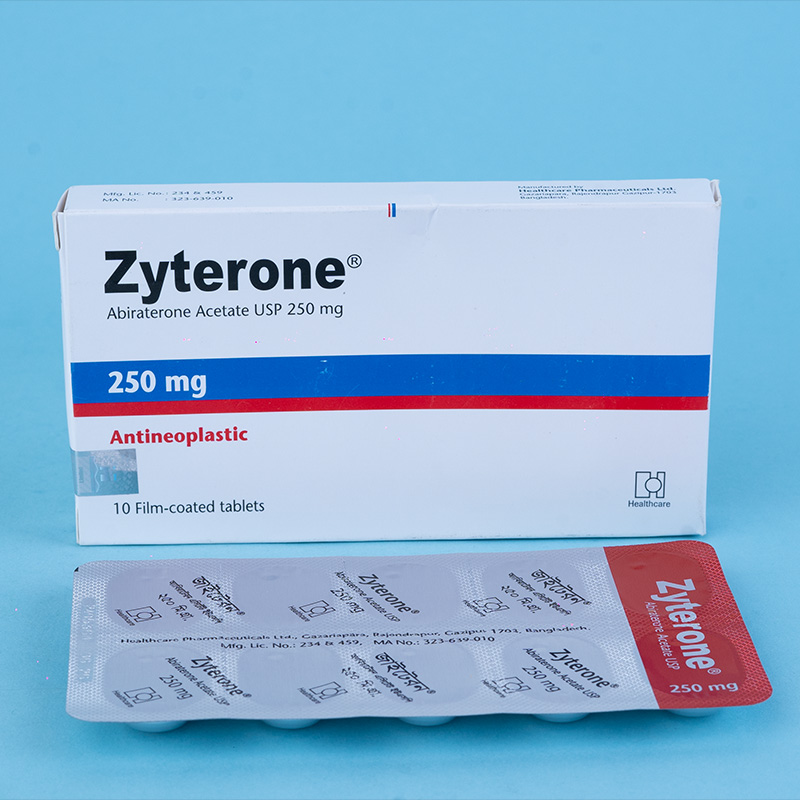
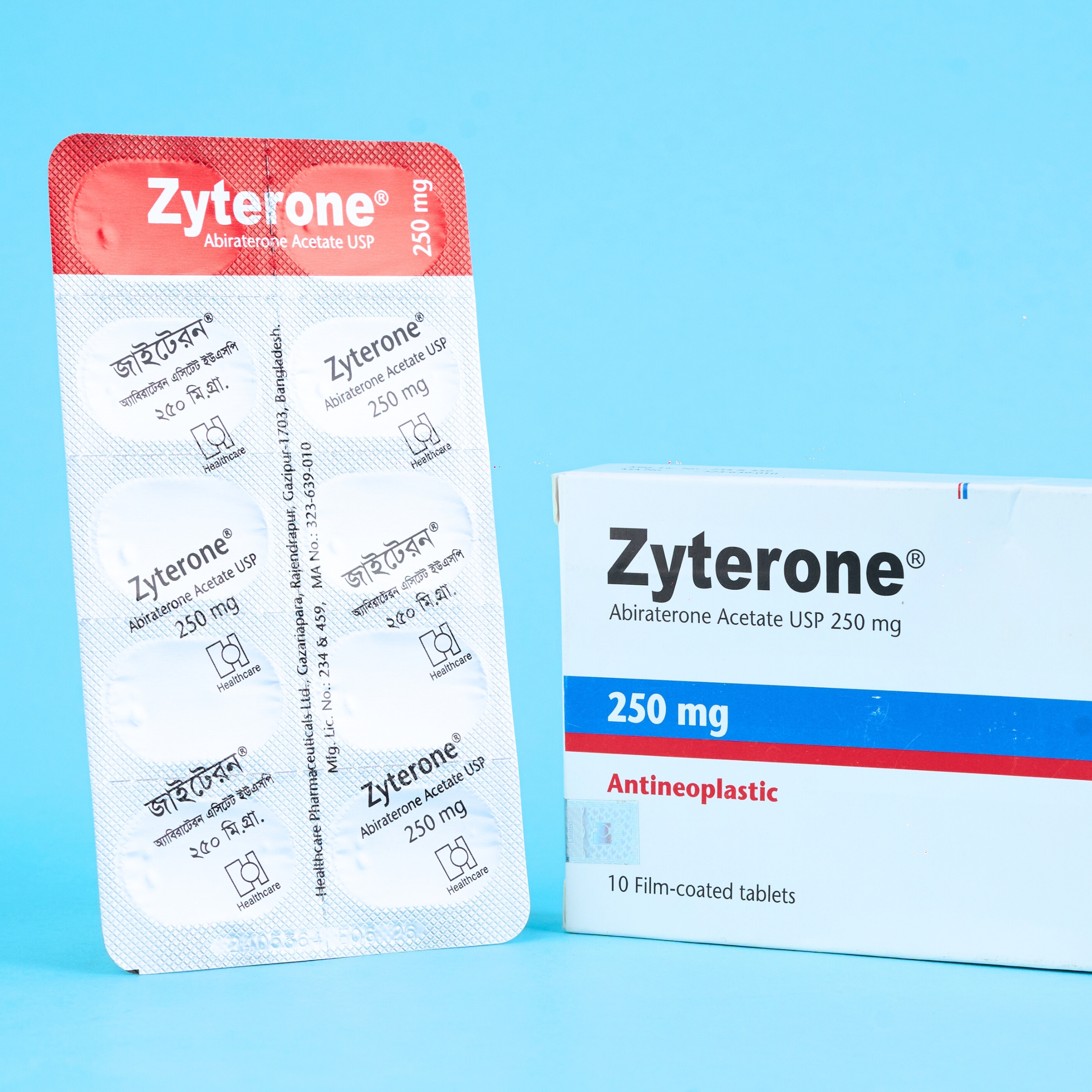
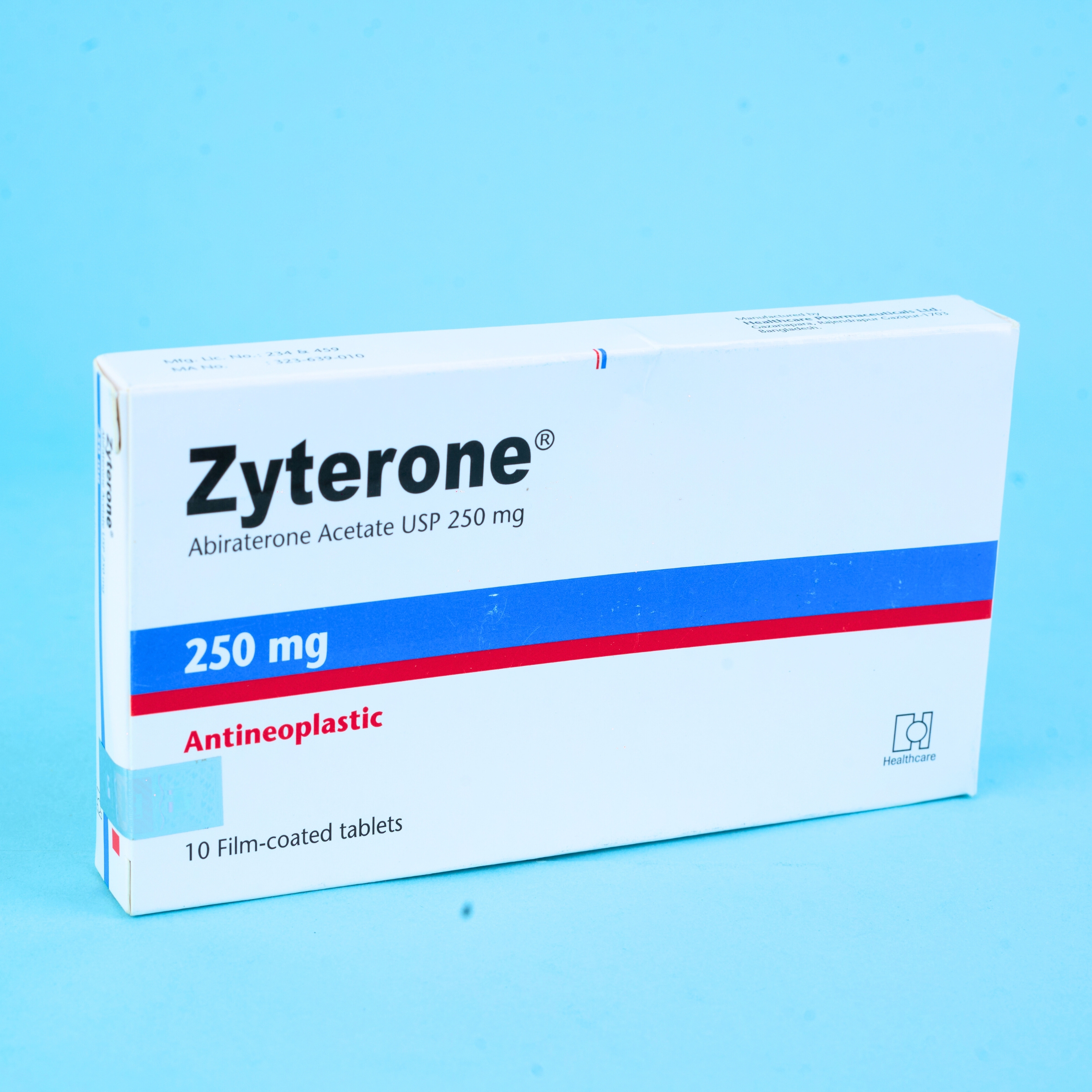
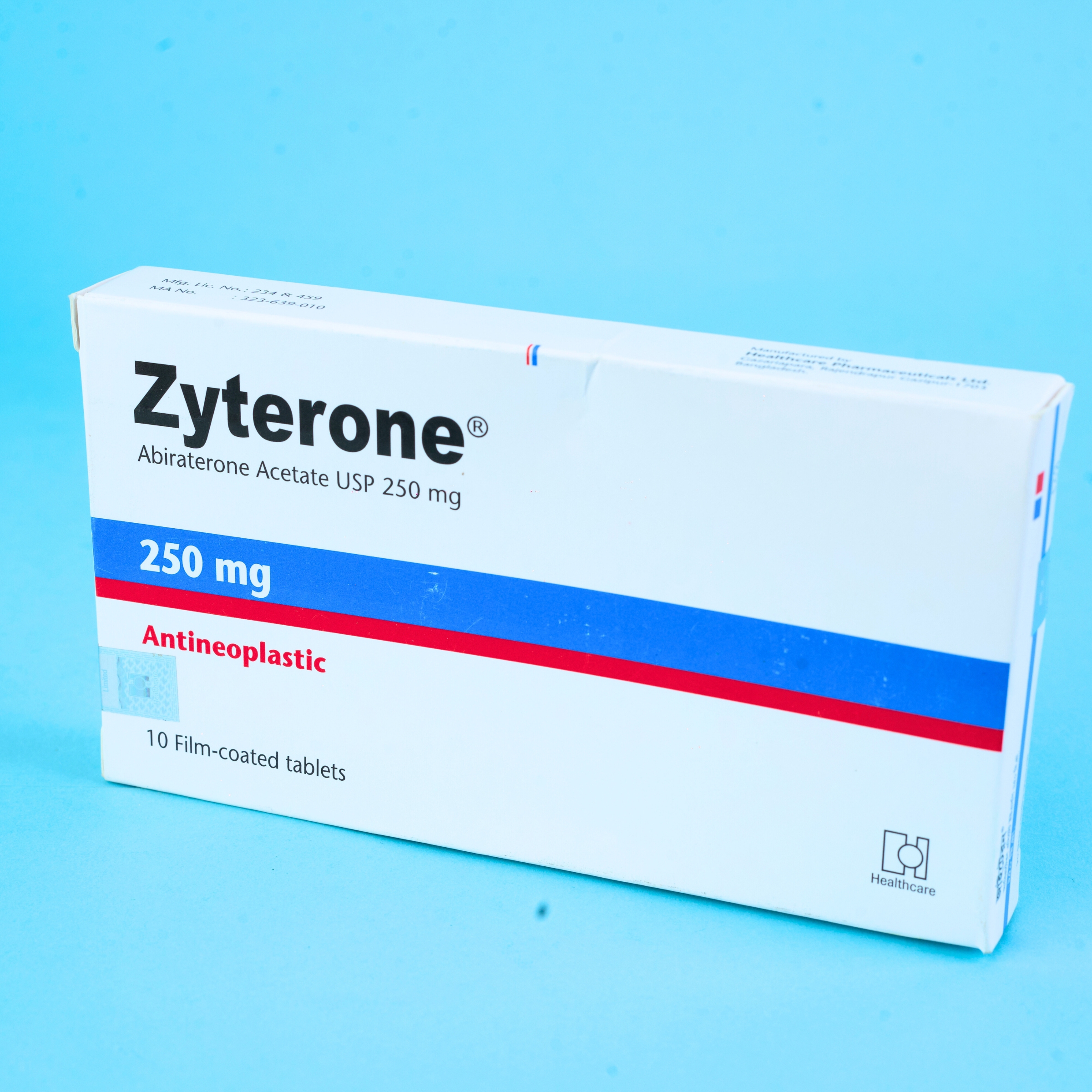
Abiraterone is indicated in combination with prednisone for
the treatment of patients with metastatic castration-resistant prostate cancer.
CYP3A4 Inducers: Strong inducers of CYP3A4 (e.g. phenytoin,
carbamazepine, rifampicin, rifabutin, phenobarbital) during treatment with
Abiraterone are to be avoided. If patients must be co-administered a strong
CYP3A4 inducer with Abiraterone, careful evaluation of clinical efficacy must
be undertaken as there are no clinical data recommending an appropriate dose
adjustment.
CYP3A4 Inhibitors: Co-administration of ketoconazole, a
strong CYP3A4 inhibitor with Abiraterone shows no clinically meaningful effect
on the pharmacokinetics of abiraterone.
The recommended dosage of Abiraterone is 1000 mg ( Four 250
mg tablets) as a single daily dose that must be taken on an empty stomach. No
solid or liquid food should be consumed for at least two hours before the dose
of Abiraterone is taken and for at least one hour after the dose of Abiraterone
is taken. The tablets should be swallowed whole with water.
Do not crush or chew tablets.
Pharmacokinetics
Absorption: Food increases absorption of the drug. The drug
should be consumed on an empty stomach at least two hour before or one hours
after food.
Distribution: Abiraterone highly protein bound. It binds
highly with both albumin (95.6–99.9%) and α1-glycoprotein (89.4–95.6%). It is
extensively distributed in tissue, with an apparent central volume of
distribution (Vd) of 5630 L .
Metabolism: Abiraterone is metabolised in the liver by
CYP3A4 and SULT2A1 to inactive metabolites.
Excretion: The drug is excreted in feces (~88%) and urine
(~5%), and has a terminal half-life of 12 ± 5 hours.
Contra-indication
It contraindicates patients with hypersensitivity to the
Abiraterone acetate or to any ingredients of the excipients of Abiraterone.
The side effects of Abiraterone include hypertension,
hypokalemia, and fluid retention due to mineralocorticoid excess,
adrenocortical insufficiency, hepatotoxicity.
There are no human data on the use of Abiraterone in
pregnancy and it is not for use in women of childbearing potential. Maternal
use of a CYP17 inhibitor is expected to produce changes in hormone levels that
could affect development of the foetus.
Pregnancy: Abiraterone acetate is contraindicated in women
who are or may potentially by pregnant.
Breast feeding: It is not known that abiraterone acetate or
its metabolites are excreted in human milk
Geriatrics Use: No overall differences in safety or
effectiveness were observed between younger & older patients
Pediatrics Use: Abiraterone has not been studied in children
Patients with Hepatic Impairment: Patients with pre-existing
moderate or severe hepatic impairment should not receive Abiraterone. For
patients who develop hepatotoxicity during treatment, suspension of treatment
and dosage adjustment may be required
Patients with Renal Impairment: No dosage adjustment is
necessary for patients with renal impairment
There have been no reports of overdose during clinical
studies. There is no specific antidote. In the event of an overdose,
administration should be with held and general supportive measures undertaken,
including monitoring for arrhythmias, hypokalaemia and for signs and symptoms
of fluid retention. Liver function also should be assessed.
Store at temperature not exceeding 30ºC in a dry place.
Medicine: Keep out of reach of children