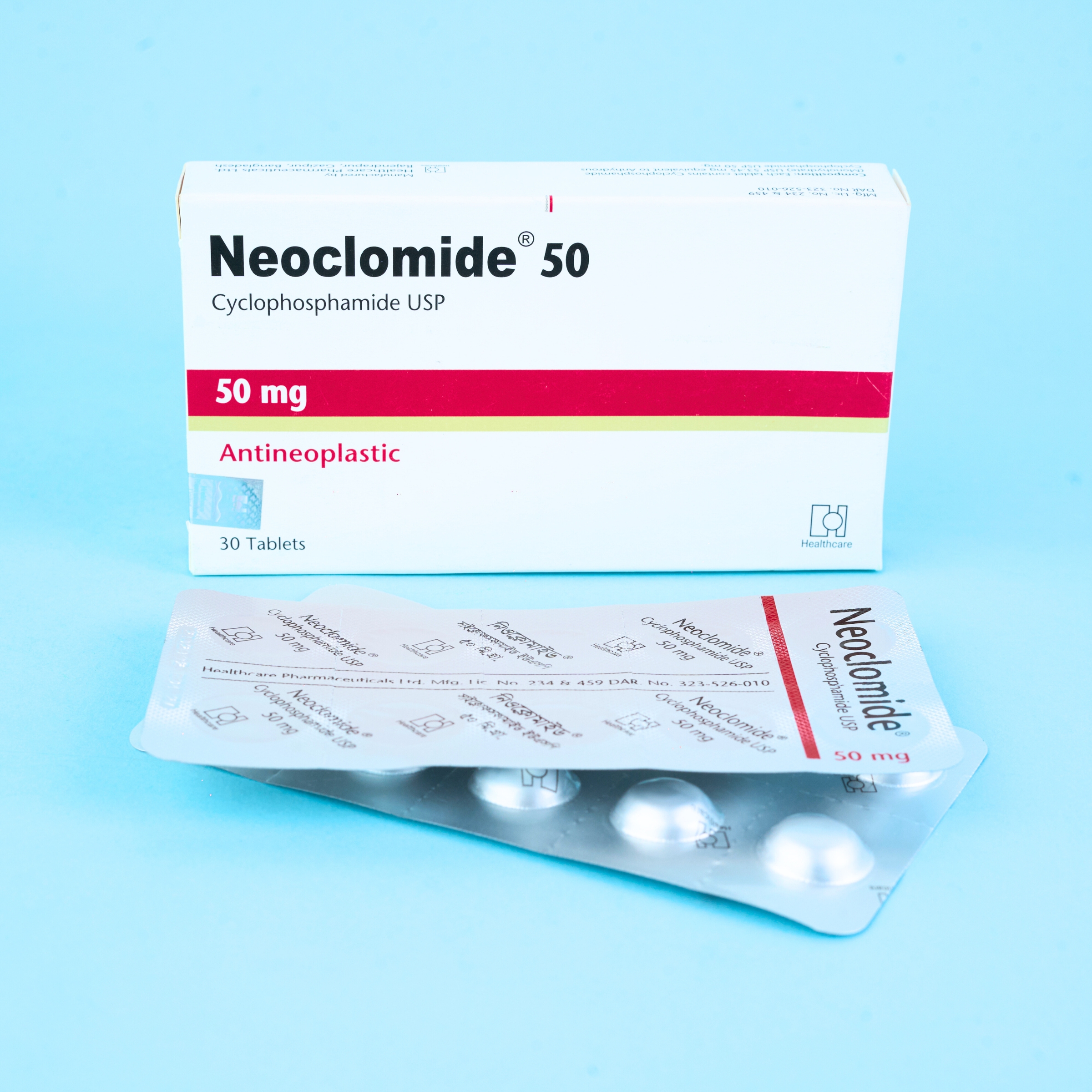
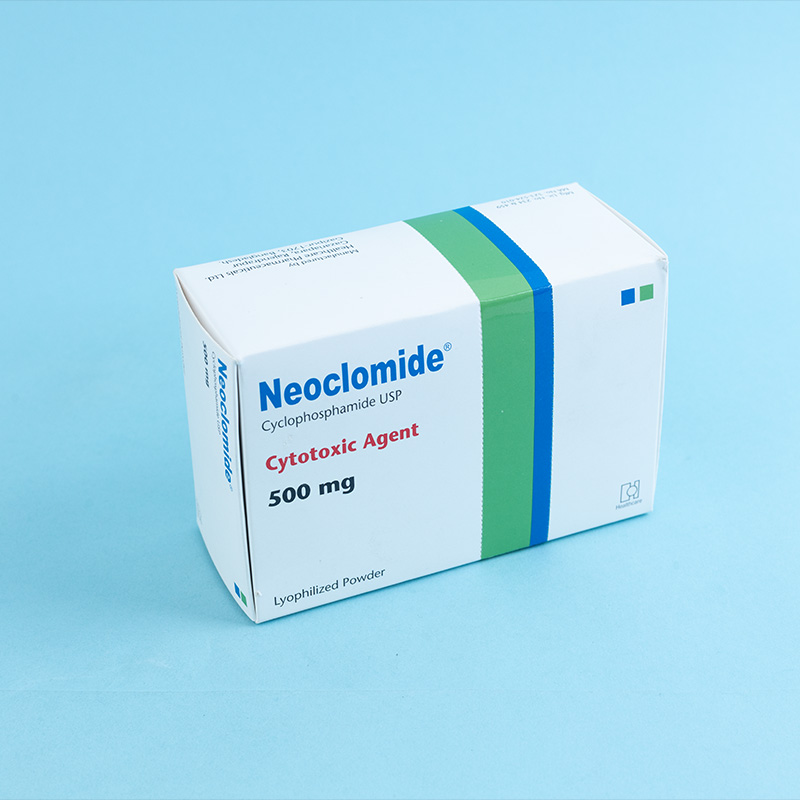
Cyclophosphamide, although effective alone in susceptible
malignancies, is more frequently used concurrently or sequentially with other
antineoplastic drugs. The following malignancies are often susceptible to
cyclophosphamide treatment:
1. Malignant lymphomas (Stages III and IV of the Ann Arbor
staging system), Hodgkin’s disease, lymphocytic lymphoma (nodular or
diffuse), mixed-cell type lymphoma, histiocytic lymphoma, Burkitt’s lymphoma.
2. Multiple myeloma.
3. Leukemias: Chronic lymphocytic leukemia, chronic
granulocytic leukemia (it is usually ineffective in acute blastic crisis),
acute myelogenous and monocytic leukemia, acute lymphoblastic (stem-cell)
leukemia in children (cyclophosphamide given during remission is effective in
prolonging its duration).
4. Mycosis fungoides (advanced disease).
5. Neuroblastoma (disseminated disease).
6. Adenocarcinoma of the ovary.
7. Retinoblastoma.
8. Carcinoma of the breast.
Nonmalignant Disease Biopsy Proven “Minimal Change†Nephrotic Syndrome in Children: Cyclophosphamide is useful in
carefully selected cases of biopsy proven “minimal
change†nephrotic syndrome in children but
should not be used as primary therapy. In children whose disease fails to
respond adequately to appropriate adrenocorticosteroid therapy or in whom the
adrenocorticosteroid therapy produces or threatens to produce intolerable side
effects, cyclophosphamide may induce a remission. Cyclophosphamide is not
indicated for the nephrotic syndrome in adults or for any other renal disease.
The rate of metabolism and the leukopenic activity of
Neoclomide reportedly are increased by chronic administration of high doses of
phenobarbital. The physician should be alert for possible combined drug
actions, desirable or undesirable, involving Neoclomide even though Neoclomide
has been used successfully concurrently with other drugs, including other
cytotoxic drugs. Neoclomide treatment, which causes a marked and persistent
inhibition of cholinesterase activity, potentiates the effect of
succinylcholine chloride. If a patient has been treated with Neoclomide within
10 days of general anesthesia, the anesthesiologist should be alerted.
Treatment of Malignant Diseases: Adults and Children When
used as the only oncolytic drug therapy, the initial course of cyclophosphamide
for patients with no hematologic deficiency usually consists of 40 to 50 mg/kg
given intravenously in divided doses over a period of 2 to 5 days. Other
intravenous regimens include 10 to 15 mg/kg given every 7 to 10 days or 3 to 5
mg/kg twice weekly. Oral cyclophosphamide dosing is usually in the range of 1
to 5 mg/kg/day for both initial and maintenance dosing.
Many other regimens of intravenous and oral cyclophosphamide
have been reported. Dosages must be adjusted in accord with evidence of
antitumor activity and/or leukopenia. The total leukocyte count is a good,
objective guide for regulating dosage. Transient decreases in the total white
blood cell count to 2000 cells/mm3 (following short courses) or more persistent
reduction to 3000 cells/mm3 (with continuing therapy) are tolerated without
serious risk of infection if there is no marked granulocytopenia.
When cyclophosphamide is included in combined cytotoxic
regimens, it may be necessary to reduce the dose of cyclophosphamide as well as
that of the other drugs. Cyclophosphamide and its metabolites are dialyzable
although there are probably quantitative differences depending upon the
dialysis system being used. Patients with compromised renal function may show
some measurable changes in pharmacokinetic parameters of cyclophosphamide
metabolism, but there is no consistent evidence indicating a need for
cyclophosphamide dosage modification in patients with renal function
impairment.
Treatment of Nonmalignant Diseases Biopsy Proven
"Minimal Change" Nephrotic Syndrome in Children: An oral dose of 2.5
to 3 mg/kg daily for a period of 60 to 90 days is recommended. In males, the
incidence of oligospermia and azoospermia increases if the duration of
cyclophosphamide treatment exceeds 60 days. Treatment beyond 90 days increases
the probability of sterility. Adrenocorticosteroid therapy may be tapered and
discontinued during the course of cyclophosphamide therapy.
Continued use of cyclophosphamide is contraindicated in
patients with severely depressed bone marrow function. Cyclophosphamide is
contraindicated in patients who have demonstrated a previous hypersensitivity
to it.
Information on adverse reactions associated with the use of
Neoclomide is arranged according to body system affected or type of reaction.
The adverse reactions are listed in order of decreasing incidence.
Digestive System: Nausea and vomiting commonly occur with
Neoclomide therapy. Anorexia and, less frequently, abdominal discomfort or pain
and diarrhea may occur. There are isolated reports of hemorrhagic colitis, oral
mucosal ulceration and jaundice occurring during therapy. These adverse drug
effects generally remit when Neoclomide treatment is stopped.
Skin and Its Structures: Alopecia occurs commonly in
patients treated with Neoclomide. The hair can be expected to grow back after
treatment with the drug or even during continued drug treatment, though it may
be different in texture or color. Skin rash occurs occasionally in patients
receiving the drug. Pigmentation of the skin and changes in nails can occur.
Very rare reports of Stevens-Johnson syndrome and toxic epidermal necrolysis have
been received during post-marketing surveillance; due to the nature of
spontaneous adverse event reporting, a definitive causal relationship to
cyclophospha- mide has not been established.
Hematopoietic System: Leukopenia occurs in patients treated
with Neoclomide, is related to the dose of drug, and can be used as a dosage
guide. Leukopenia of less than 2000 cells/mm 3 develops commonly in patients
treated with an initial loading dose of the drug, and less frequently in
patients maintained on smaller doses. The degree of neutropenia is particularly
important because it correlates with a reduction in resistance to infections.
Fever without documented infection has been reported in neutropenic patients.
Thrombocytopenia or anemia develops occasionally in patients treated with
Neoclomide. These hematologic effects usually can be reversed by reducing the
drug dose or by interrupting treatment. Recovery from leukopenia usually begins
in 7 to 10 days after cessation of therapy.
Urinary System: Hemorrhagic ureteritis and renal tubular
necrosis have been reported to occur in patients treated with Neoclomide. Such
lesions usually resolve following cessation of therapy.
Respiratory System: Interstitial pneumonitis has been
reported as part of the postmarketing experience. Interstitial pulmonary
fibrosis has been reported in patients receiving high doses of Neoclomide over
a prolonged period. Other Anaphylactic reactions have been reported; death has
also been reported in association with this event. Possible cross-sensitivity
with other alkylating agents has been reported. SIADH (syndrome of
inappropriate ADH secretion) has been reported with the use of Neoclomide.
Malaise and asthenia have been reported as part of the postmarketing
experience.
Pregnancy Category D. Cyclophosphamide is excreted in breast
milk. Because of the potential for serious adverse reactions and the potential
for tumorigenicity shown for cyclophosphamide in humans, a decision should be
made whether to discontinue nursing or to discontinue the drug, taking into
account the importance of the drug to the mother.
Special attention to the possible development of toxicity
should be exercised in patients being treated with Neoclomide if any of the
following conditions are present.
Leukopenia
Thrombocytopenia
Tumor cell infiltration of bone marrow
Previous X-ray therapy
Previous therapy with other cytotoxic agents
Impaired hepatic function
Impaired renal function
Use in Special Populations
Pediatric use: The safety profile of Neoclomide in pediatric
patients is similar to that of the adult population.
Geriatric use: Insufficient data from clinical studies of
Neoclomide for malignant lymphoma, multiple myeloma, leukemia, mycosis
fungoides, neuroblastoma, retinoblastoma, and breast carcinoma are available
for patients 65 years of age and older to determine whether they respond
differently than younger patients. In two clinical trials in which Neoclomide
was compared with paclitaxel, each in combination with cisplatin, for the
treatment of advanced ovarian carcinoma, 154 (28%) of 552 patients who received
Neoclomide plus cisplatin were 65 years or older. Subset analyses (65 years)
from these trials, published reports of clinical trials of Neoclomide
containing regimens in breast cancer and non-Hodgkin’s lymphoma, and post
marketing experience suggest that elderly patients may be more susceptible to
Neoclomide toxicities. In general, dose selection for an elderly patient should
be cautious, usually starting at the low end of the dosing range and adjusting
as necessary based on patient response.
No specific antidote for Neoclomide is known. Overdosage
should be managed with supportive measures, including appropriate treatment for
any concurrent infection, myelosuppression, or cardiac toxicity should it
occur.
Store at a temperature not exceeding 25°C in a dry place.
Protect from light and moisture. Do not freeze.