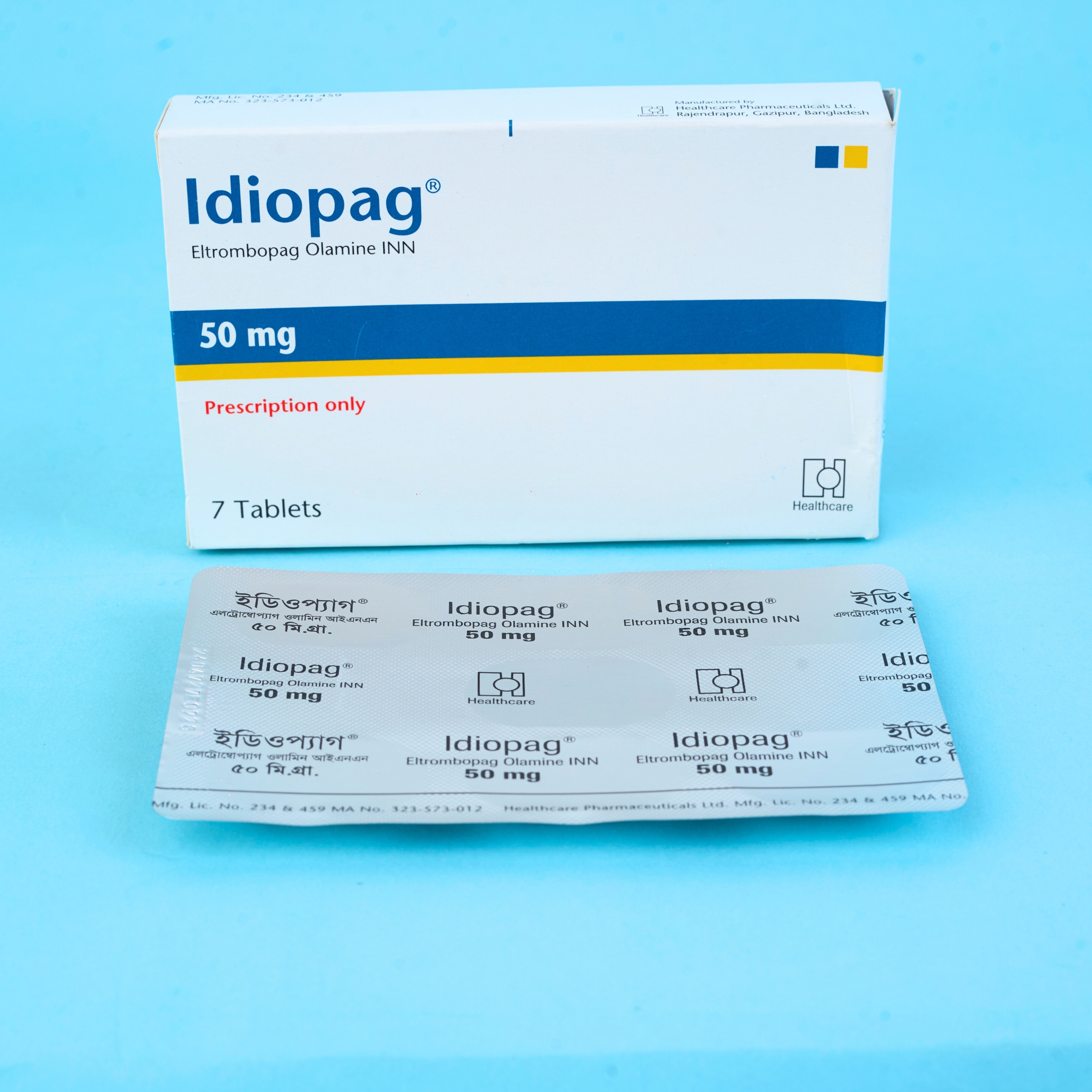
Eltrombopag Olamine is a thrombopoietin receptor agonist
indicated for the treatment of:
ï¬ Thrombocytopenia in adult and
pediatric patients (1 year and older) with chronic immune (idiopathic)
thrombocytopenia (ITP) who have had an insufficient response to
corticosteroids, immunoglobulins, or splenectomy. Eltrombopag should be used
only in patients with ITP whose degree of thrombocytopenia and clinical
condition increase the risk for bleeding.
ï¬ Thrombocytopenia in patients
with Chronic Hepatitis C to allow the initiation and maintenance of interferon-based
therapy. Eltrombopag should be used only in patients with Chronic Hepatitis C
whose degree of thrombocytopenia prevents the initiation of interferon-based
therapy or limits the ability to maintain interferon-based therapy.
ï¬ Patients with severe aplastic
anemia who have had an insufficient response to immunosuppressive therapy.
Drug interaction with medication: Take eltrombopag at least
2 hours before or 4 hours after any medications or products containing
polyvalent cations such as antacids and mineral supplements (e.g., iron,
calcium, aluminium, magnesium, selenium and zinc).
Drug interaction with food and others: Take eltrombopag at
least 2 hours before or 4 hours after any calcium rich foods.
Route of administration: Eltrombopag tablet should be taken
in oral route and it can be taken without a meal or with a meal low in calcium
(<50 mg).
Persistent or chronic immune thrombocytopenia: Use the
lowest dose of Eltrombopag to achieve and maintain a platelet count greater
than or equal to 50x109/L as necessary to reduce the risk for bleeding. Do not
exceed a dose of 75 mg daily.
Adult and pediatric patients 6 years and older with ITP:
Initiate Eltrombopag at a dose of 50 mg once daily, except in patients who are
of Asian ancestry or who have mild to severe hepatic impairment. For patients
of Asian ancestry with ITP, initiate Eltrombopag at a reduced dose of 25 mg
once daily. For patients with ITP
and mild, moderate or severe hepatic impairment, initiate
Eltrombopag at a reduced dose of 25 mg once daily. For patients of Asian
ancestry with ITP and hepatic impairment, consider initiating Eltrombopag at a
reduced dose of 12.5 mg once daily.
Pediatric patients with ITP aged 1 to 5 years: Initiate
Eltrombopag at a dose of 25 mg once daily.
Chronic hepatitis C associated thrombocytopenia: Initiate
Eltrombopag at a dose of 25 mg once daily. Adjust the dose of Eltrombopag in 25
mg increments every 2 weeks as necessary to achieve the target platelet count
required to initiate antiviral therapy. Do not exceed a dose of 100 mg daily.
First line severe aplastic anemia: Initiate Eltrombopag once
daily at 2.5 mg/kg (in pediatric patients aged 2 to 5 years old), 75 mg
(pediatric patients aged 6 to 11 years old) or 150 mg for patients aged 12
years and older for 6 months concurrently with standard immunosuppressive
therapy. For patients of Asian ancestry or those with mild, moderate or severe
hepatic impairment, decrease the initial dose by 50%. Modify the dose regimen
of Eltrombopag based on platelet counts, ALT or AST elevations and
thromboembolic events.
Refractory severe aplastic anemia: Initiate Eltrombopag at 50
mg once daily. Hematologic response requires dose titration, generally up to
150 mg and may take up to 16 weeks after starting Eltrombopag. For patients of
Asian ancestry or those with mild, moderate, or severe hepatic impairment,
initiate Eltrombopag at a reduced dose of 25 mg once daily. Adjust the dose of
Eltrombopag in 50 mg increments every 2 weeks as necessary to achieve the
target platelet count greater than or equal to 50 x 109/L as necessary. Do not
exceed a dose of 150 mg per day.
Eltrombopag is contraindicated in patients with known
hypersensitivity to eltrombopag or any components of this product.
The most common side effects are anemia, nausea, pyrexia,
ALT increased, cough, fatigue, headache and diarrhea.
No sufficient data is available to assess any
drug-associated risks for major birth defects, miscarriage or adverse maternal
or fetal outcomes. There are no data regarding the presence of eltrombopag or
its metabolites in human milk, the effects on the breastfed child or the
effects on milk production. Due to the potential for serious adverse reactions
in a breastfed child from eltrombopag, breastfeeding is not recommended during
treatment.
In patients with chronic hepatitis C, Idiopag in combination
with interferon and ribavirin may increase the risk of hepatic decompensation.
Monitor liver function before and during therapy. There is increased risk of
death and progression of myelodysplastic syndromes to acute myeloid leukemia.
Portal vein thrombosis has been reported in patients with chronic liver disease
receiving eltrombopag. Monitor platelet counts regularly.
In the event of overdose, platelet counts may increase
excessively and result in thrombotic or thromboembolic complications. In case
of an overdose, consider oral administration of a metal cation containing
preparation such as calcium, aluminium or magnesium preparations to chelate
eltrombopag and thus limit absorption.
Store in a cool (below 25°C) and dry place protected from
light. Keep away from the reach of children.