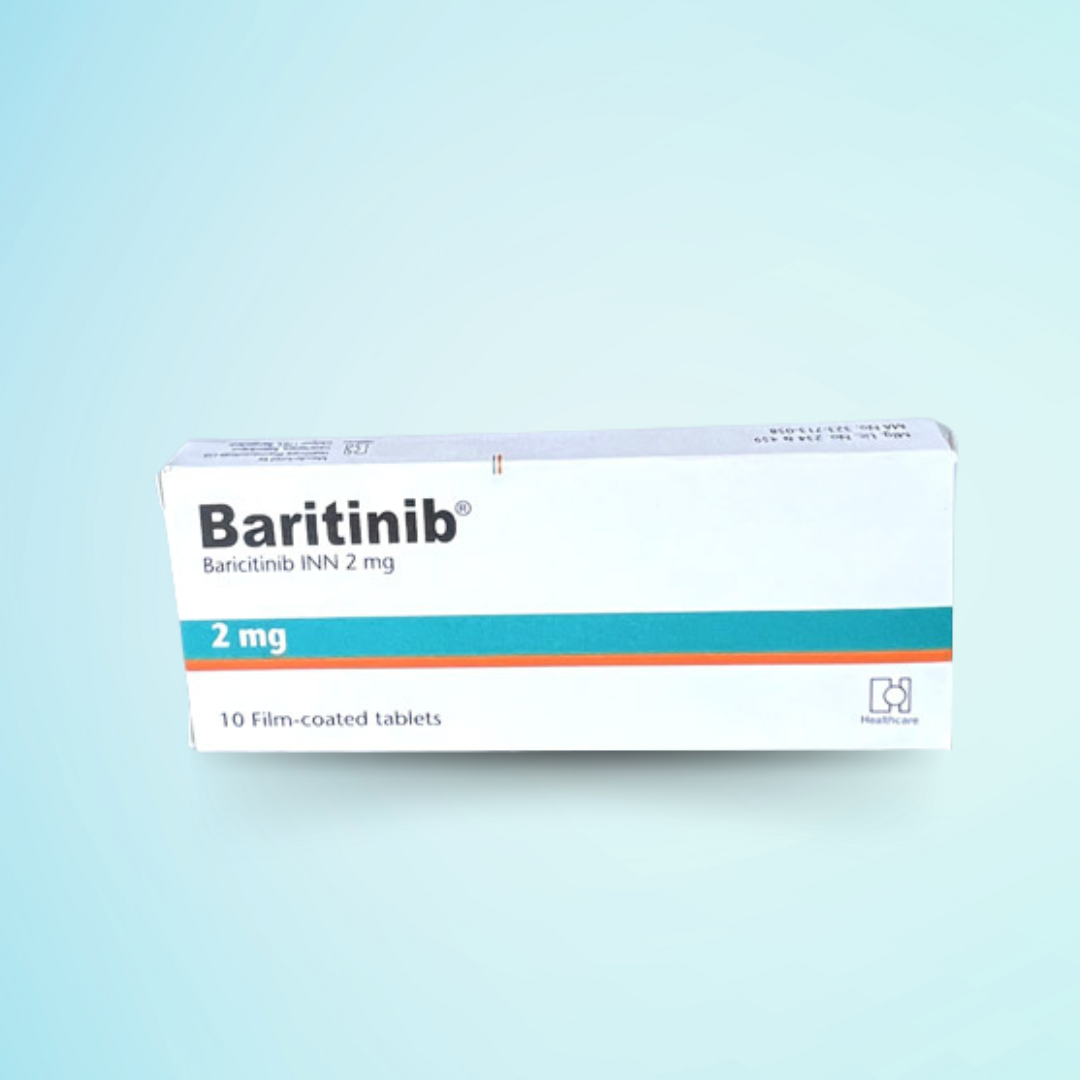
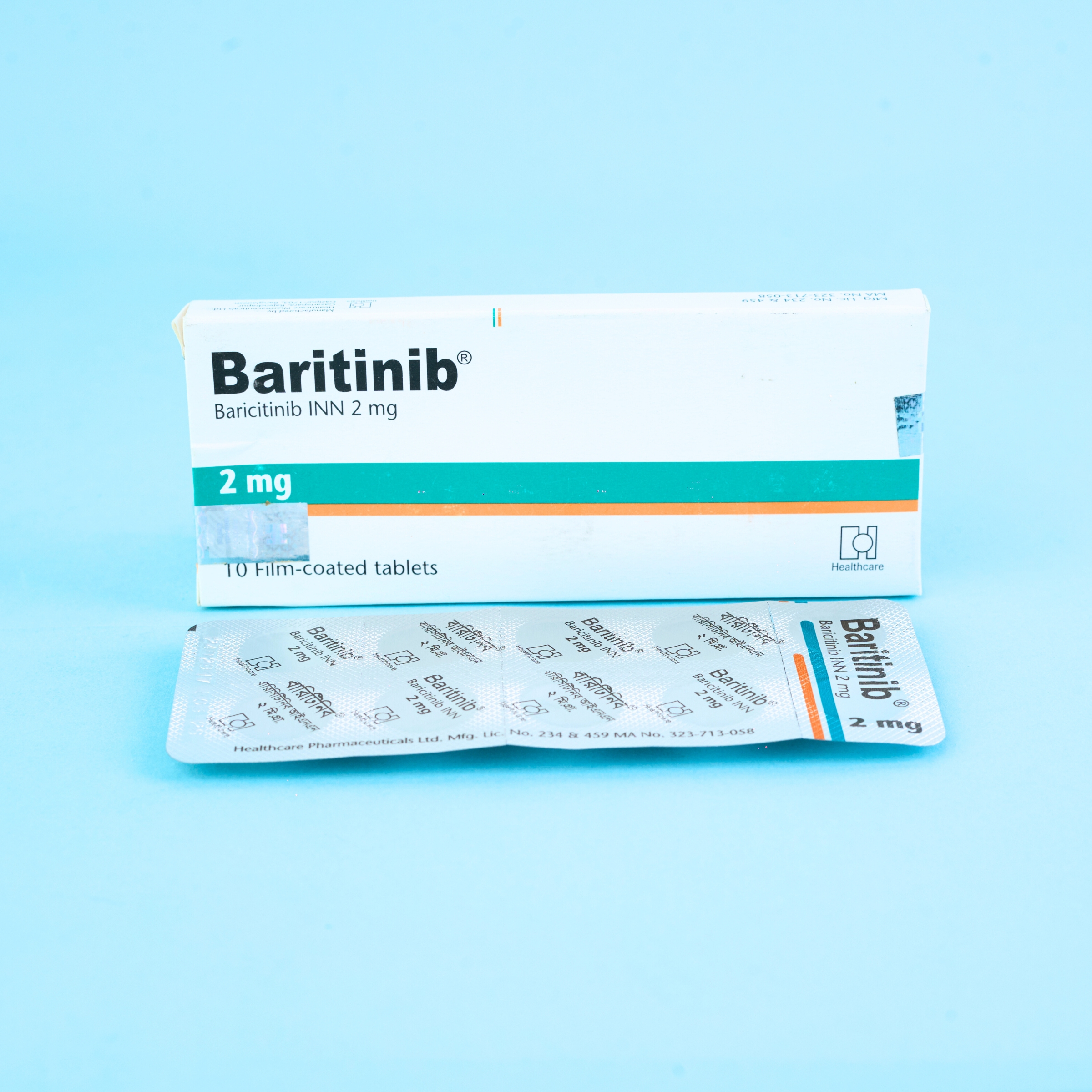
Baritinib is indicated for the treatment of adult patients
with moderate to severely active Rheumatoid Arthritis who have had an
inadequate response to one or more tumor necrosis factor (TNF) antagonist
therapies.
Limitation of Use: Use of Baritinib in combination with other JAK inhibitors,
biologic DMARDs or with potent immunosuppressants such as Azathioprine and
cyclosporine is not recommended.
Adult dose: The recommended dose of Baricitinib is 2
mg once daily. It may be used as monotherapy or in combination with
Methotrexate or other Disease-modifying antirheumatic drugs (DMARDS).
Baricitinib can be given orally with or without food.
Pediatric Use: The safety and effectiveness of Baricitinib in pediatric
patients have not been established.
Geriatric Use: Because elderly patients are more likely to have
decreased renal function, care should be taken in dose selection.
Hepatic Impairment: No dose adjustment is necessary in patients with
mild or moderate hepatic impairment.
Renal impairment: Baricitinib is not recommended for use in patients
with estimated GFR of less than 60 mL/min/I .73 m2.
The most commonly reported adverse drug reactions (ADRs)
occurring in 2% of patients treated with Baritinib monotherapy or in
combination with conventional synthetic DMARDs were increased LDL cholesterol
(33.6%), upper respiratory tract infections (14.7%) and nausea (2.8%).
Baricitinib is contraindicated during pregnancy. No
information is available on the presence of Baricitinib in human milk.
- Serious
Infections: Avoid use of Baritinib in patients with an active, serious
infection, including localized infections.
- Tuberculosis:
Baritinib should not be given to patients with active TB.
- Malignancy
and Lymphoproliferative Disorders: Consider the risks and benefits of
Baritinib treatment prior to initiating therapy in patients with a known
malignancy other than a successfully treated non-melanoma skin cancer
(NMSC) or when considering continuing Baritinib in patients who develop a
malignancy.
- Thrombosis:
Baritinib should be used with caution in patients who may be at increased
risk of thrombosis.
- Gastrointestinal
Perforations: Baritinib should be used with caution in patients who may be
at increased risk for gastrointestinal perforation.
- To be
dispensed only by the prescription of a registered physician.
In case of an overdose, it is recommended that the patient
should be monitored for signs and symptoms of adverse reactions. Patients who
develop adverse reactions should receive appropriate treatment.
Store at or below 30°C temperature. Keep away from light and
wet place. Keep out of reach of children.